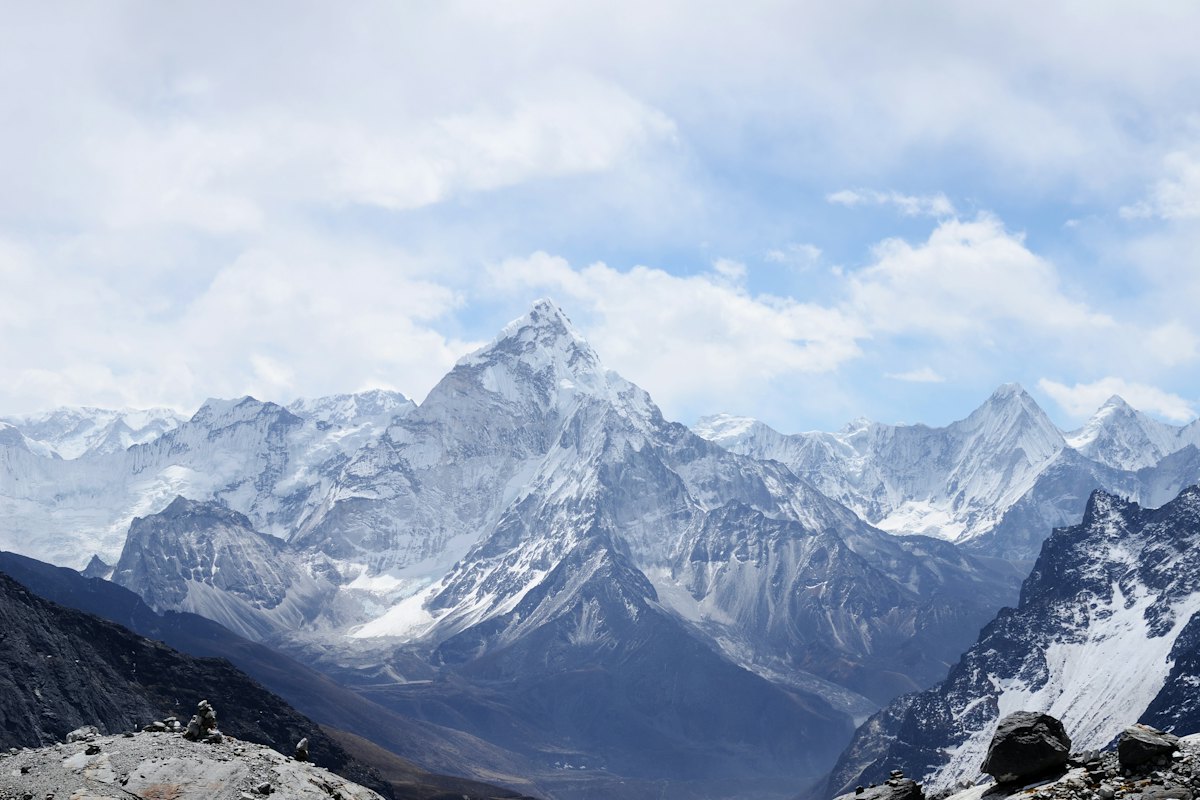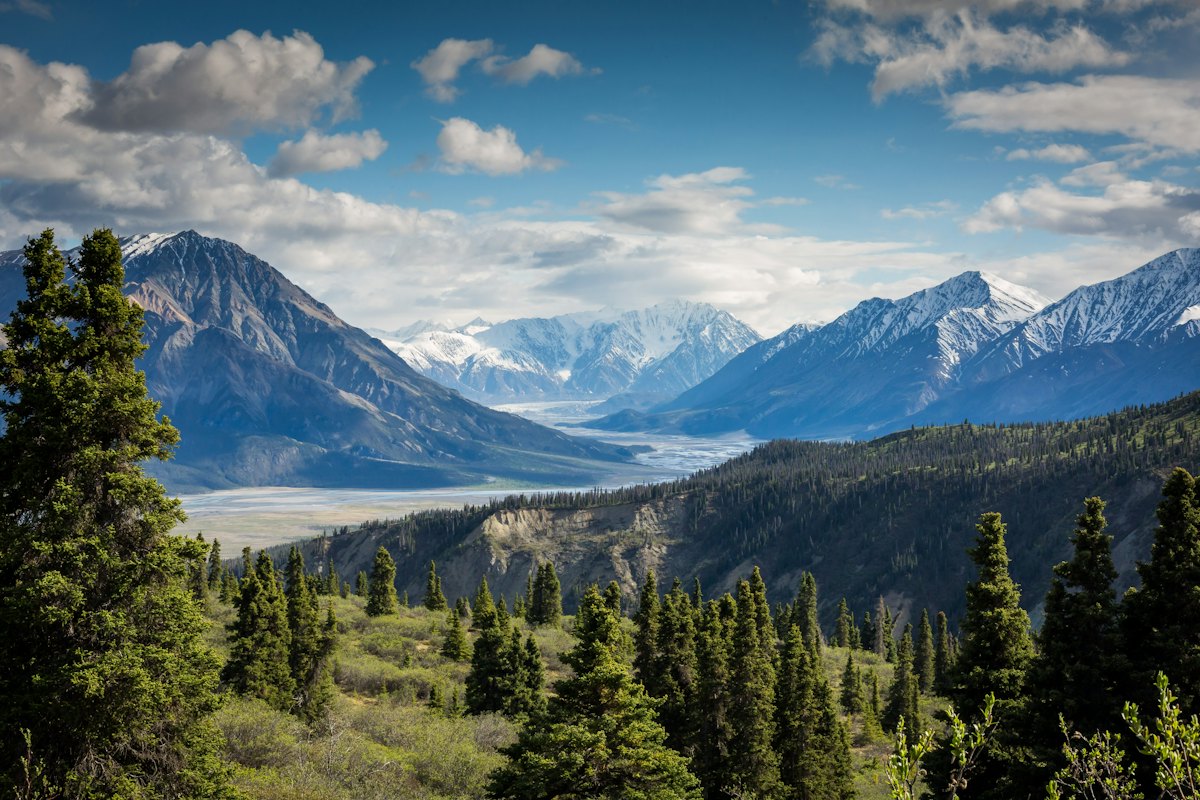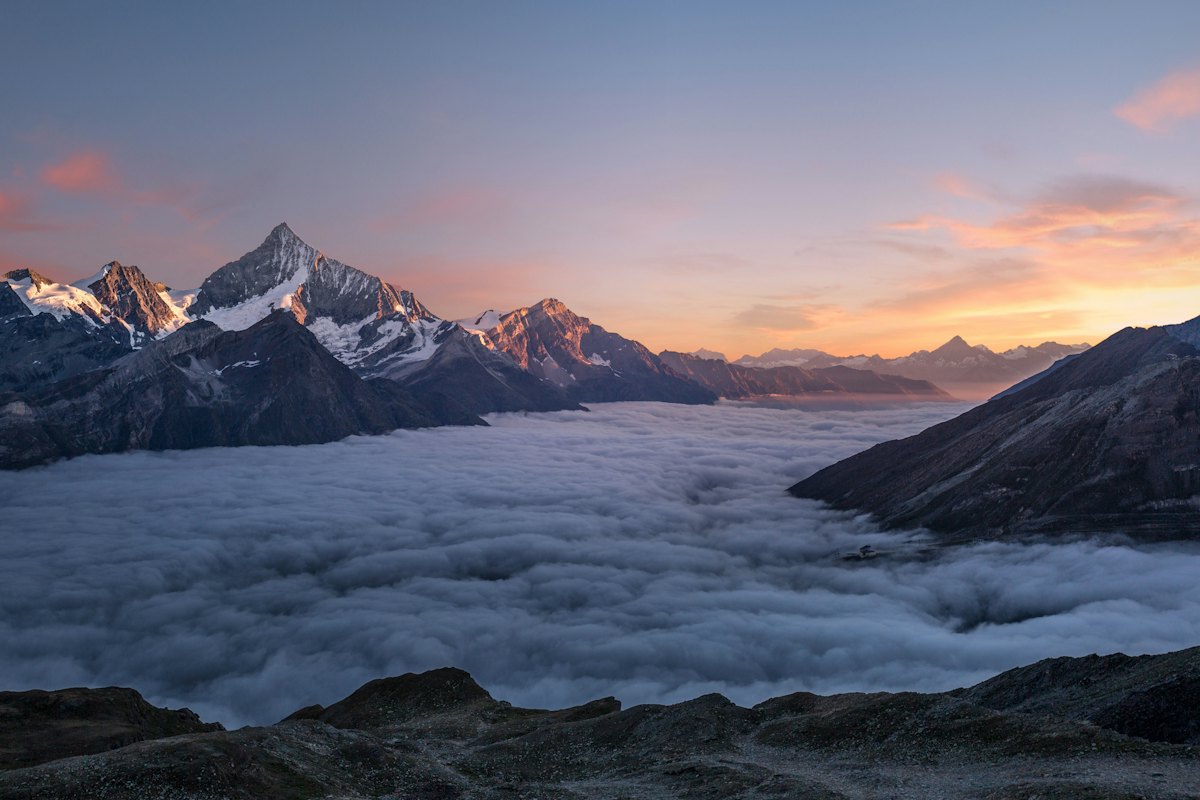
Few treks on Earth match the walk up the Baltoro Glacier. Over about two weeks you pass the Trango Towers, Masherbrum and Gasherbrum, reach Concordia, where four of the world's highest peaks come into view at once, and finally stand beneath K2. It is demanding, remote and unforgettable. Here is what you need to know before you commit.
The route at a glance
The trek starts in Askole, the last village in the Braldu Valley, a rough jeep drive of six to seven hours from Skardu. From there the trail follows the Braldu River to Paiju, then climbs onto the Baltoro Glacier.
- Askole to Paiju: two days along the river.
- Paiju to Urdukas and Goro: onto the glacier, with views of the Trango Towers and Masherbrum.
- Concordia (about 4,650 m): the confluence of glaciers beneath K2, Broad Peak and the Gasherbrums.
- K2 Base Camp (about 5,000 m): a long day out and back from Concordia, or an overnight stop.
Most itineraries take 14 to 16 days on foot and three weeks door to door from Islamabad, allowing for flights or the drive to Skardu and weather days.
When to go
The trekking season runs from late June to early September. July and August usually bring the most stable weather on the glacier. Snow can arrive in September and close the upper trail without warning, and outside the season the route is not practical for trekkers.
Permits and rules
The Baltoro lies in Central Karakoram National Park and in a restricted zone. Foreign trekkers cannot go independently: the trek must be organised through a licensed Pakistani tour operator, who applies for the trekking permit, pays the park and environment fees and arranges any liaison officer the authorities require. Start this at least two to three months before your trip, together with your visa application.
How fit do you need to be?
You do not need climbing skills for the standard route to K2 Base Camp, but you do need good endurance. Expect five to eight hours of walking a day on rough moraine and ice, at altitudes above 4,000 metres for a week or more. Train with long hill walks carrying a day pack, ideally on consecutive days.
Altitude and acclimatisation
The route gains height steadily, which helps the body adapt. A good itinerary includes rest days, for example at Paiju and Concordia, and avoids gaining more than about 400 to 500 metres of sleeping altitude per day above 3,000 metres. Tell your guide early about headaches, nausea or breathlessness at rest.
Gondogoro La: the adventurous return
Experienced trekkers sometimes return over the Gondogoro La, a pass of around 5,600 metres, to the Hushe Valley instead of retracing their steps. It is a serious crossing with fixed ropes, usually made at night, and depends on snow conditions. Treat it as an option to decide on the trek, not a promise.
What is included on an organised trek
- Permits, park fees and the liaison arrangements required by the authorities.
- Experienced guide, cook and porters who carry the camp and supplies.
- Tents, meals and safe drinking water on the trail.
- Jeep transfers between Skardu and Askole.
Bring your own well-worn boots, warm layers for nights below freezing, a good sleeping bag and sun protection for the glare of the glacier.