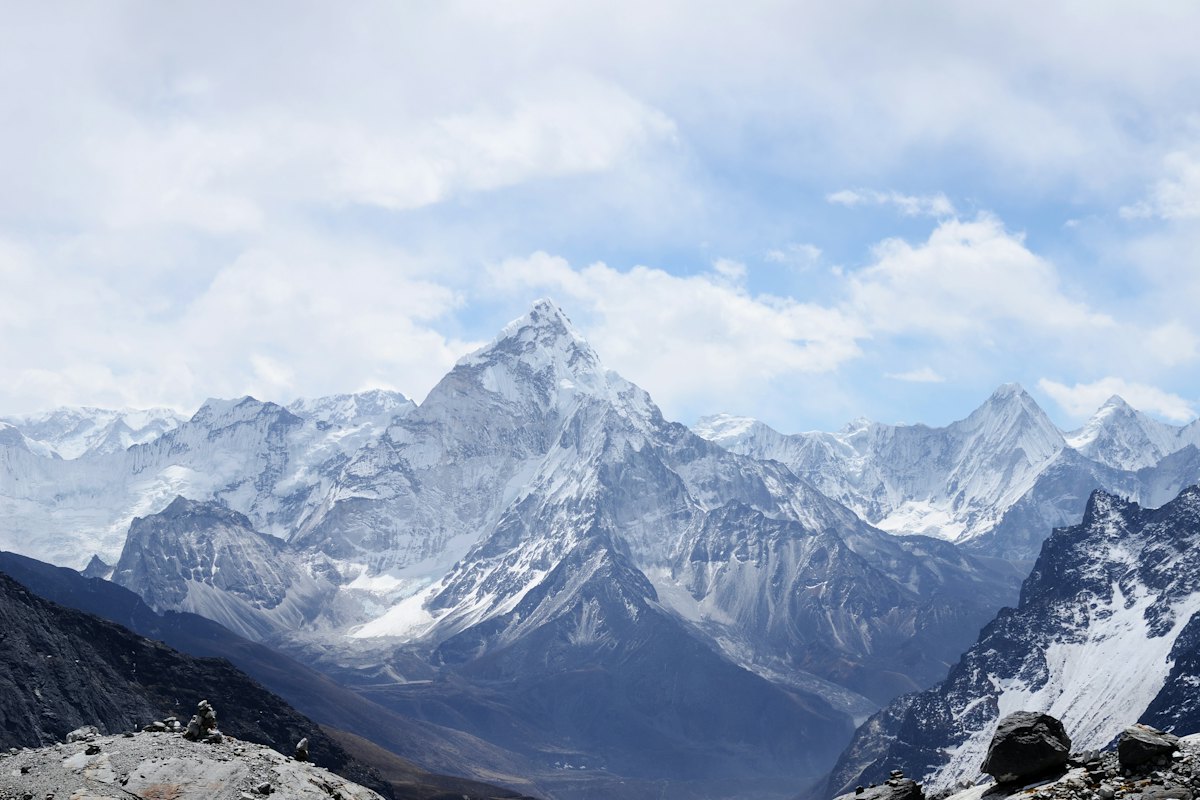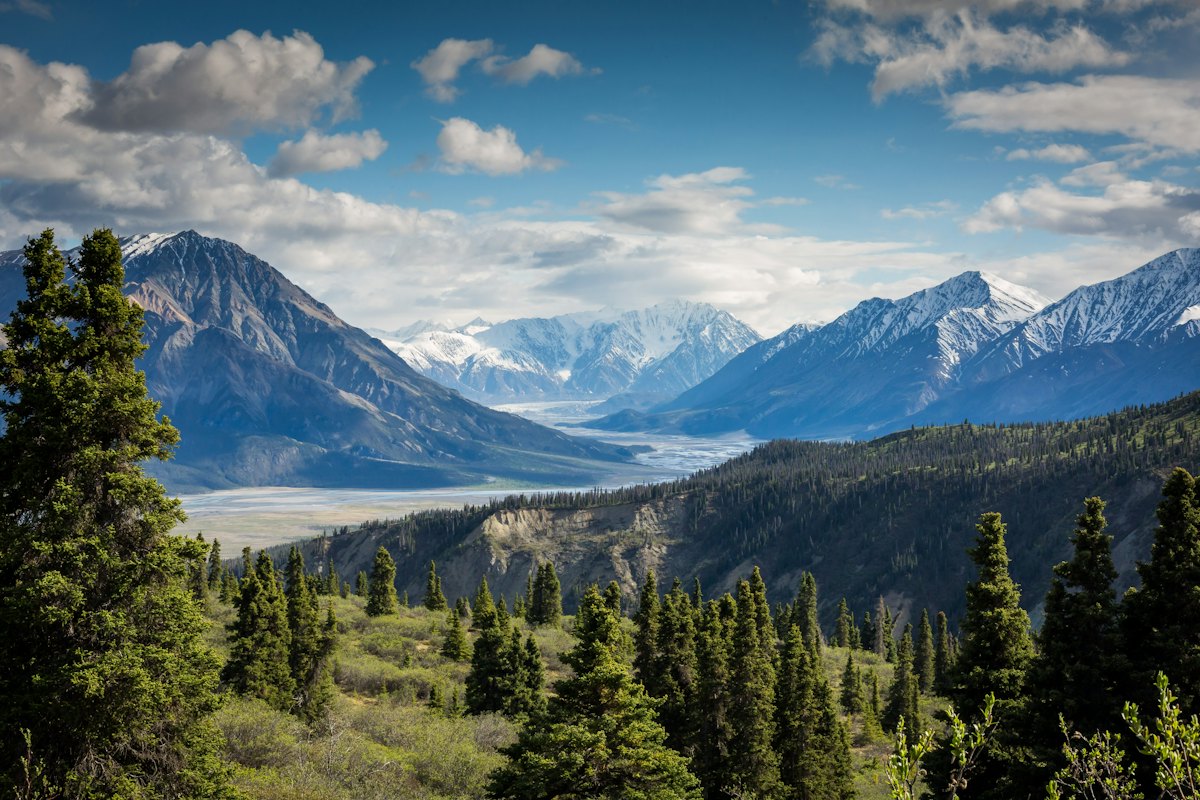
It is the first question almost every foreign traveller asks us, and it deserves a straight answer rather than a sales pitch. Gilgit-Baltistan, the region that holds Hunza, Skardu, Fairy Meadows and K2, has a long record of welcoming visitors, and serious incidents involving tourists are rare. The risks you are most likely to meet are the mountains themselves: roads, altitude and weather.
Check your government's advice first
Before you book, read your own government's travel advice for Pakistan, for example from the UK Foreign Office or the US State Department. Advisories often treat regions differently, so look for what they say about Gilgit-Baltistan specifically, not just the country as a whole. It also matters for your travel insurance, which may not cover areas your government advises against.
The real risks, and how to manage them
Mountain roads
The Karakoram Highway and the side roads to Skardu, Fairy Meadows and Deosai are spectacular and demanding. Landslides can close a road for hours, especially in the monsoon months of July and August. Travel with an experienced mountain driver, avoid driving after dark and keep a spare day in your plans.
Altitude
Hunza sits around 2,500 metres, the Khunjerab Pass at 4,700 metres and Deosai above 4,000 metres. Most travellers feel fine in the valleys, but going high too fast can cause headaches and nausea. Build in gradual gains, drink plenty of water and descend if symptoms get worse.
Weather and flights
Flights from Islamabad to Gilgit and Skardu need clear skies and are often postponed. Plan for the road as a back-up, and do not book an onward international flight the day after you are due back in Islamabad.
Remote areas
Mobile coverage disappears on some routes and medical care is basic outside the main towns. Carry a small first-aid kit and any medicines you need, and tell someone your route.
Culture and respect
People in Gilgit-Baltistan are famously hospitable, and a little cultural awareness goes a long way.
- Dress modestly. Loose clothing that covers shoulders and knees is comfortable and respectful for both men and women. Women do not need to cover their hair in most places, but a scarf is useful for mosques and villages.
- Ask before you photograph people, especially women.
- Accept tea when it is offered if you can. It is often the start of a good conversation.
- During Ramadan, avoid eating or drinking in public in daylight.
Travelling as a woman
Many women travel in northern Pakistan, alone and in groups, and describe it as one of the friendliest places they have visited. Expect curiosity rather than hostility. Travelling with a reputable operator or a trusted local contact makes logistics easier, particularly for transport and stays in remote areas.
Practical checklist
- Travel insurance that covers trekking at your planned altitude and medical evacuation.
- Several photocopies of your passport and visa for checkpoints.
- A local SIM card for the main towns.
- Cash in Pakistani rupees: card payments are not accepted everywhere.
- Flexible dates, with at least one buffer day.
Plan for the mountains, respect local customs and travel with people who know the roads, and northern Pakistan is one of the most rewarding journeys you can make.